
September 15, 2025 | Project C.U.R.E
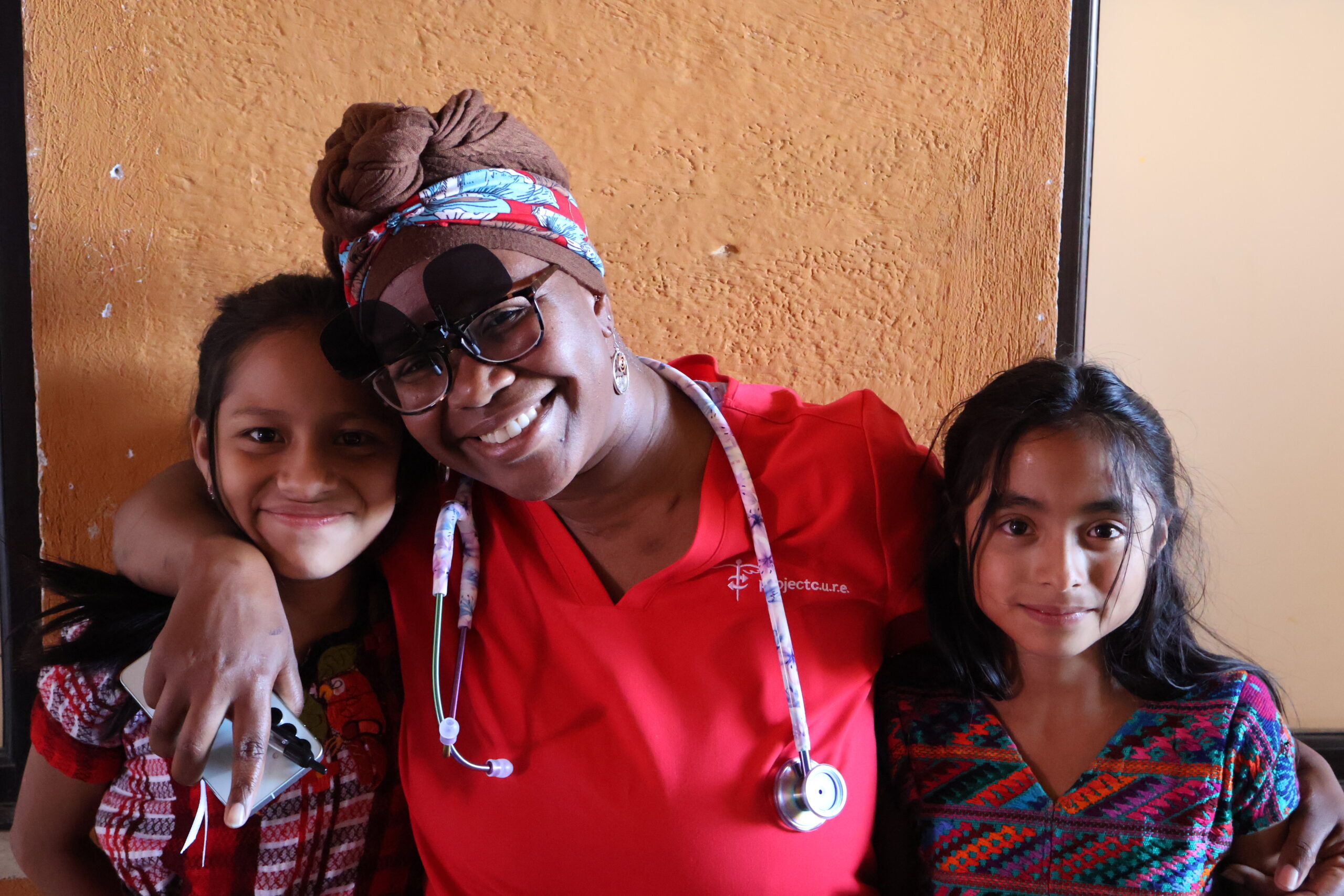
Written by: Jayma Anne Montgomery
These are the stories I know.
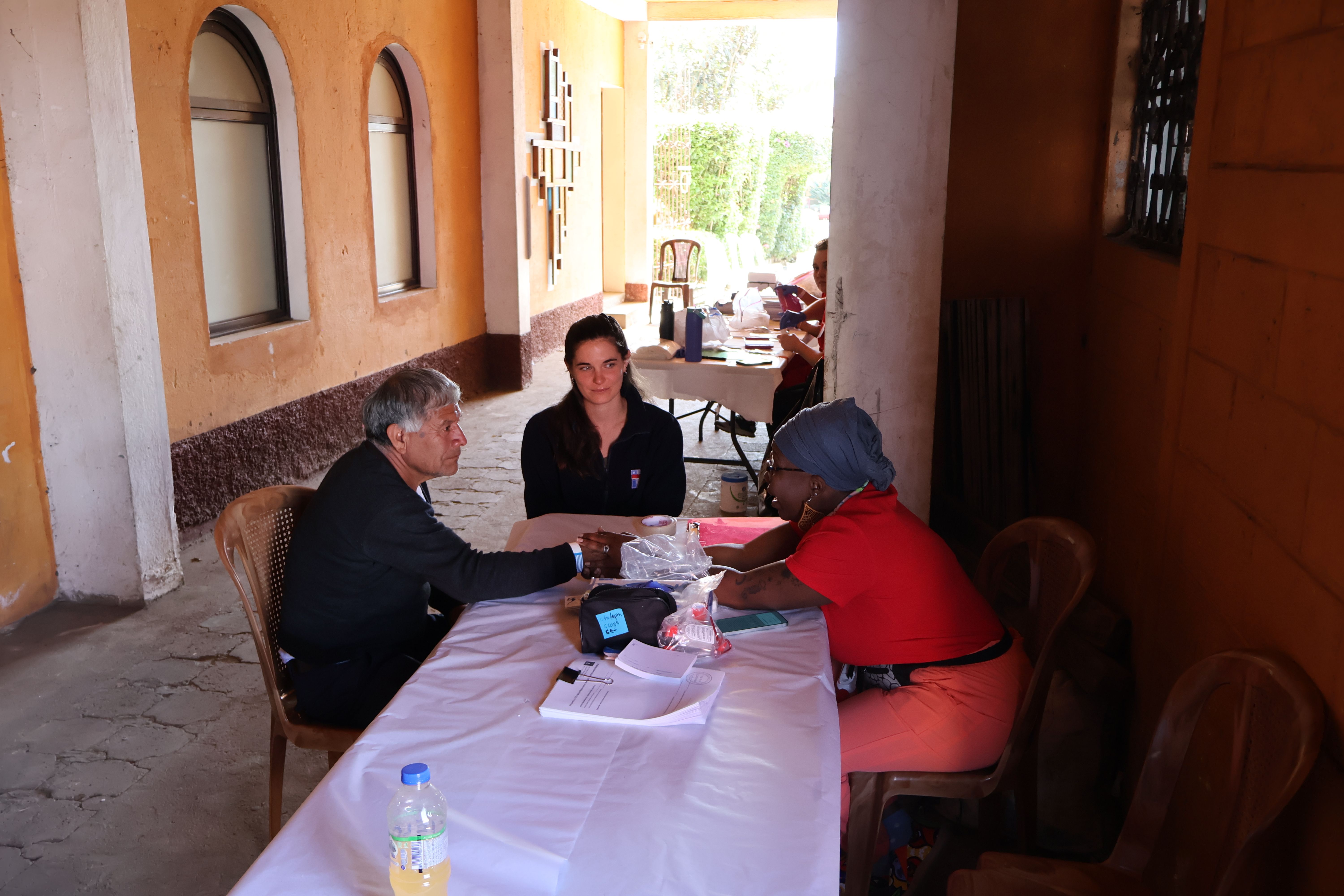
A 46-year-old woman came into our clinic with shortness of breath, dangerously low oxygen levels, and a blood sugar level so high it was initially unreadable. A man from a neighboring town, fresh from a relative’s funeral, stopped in to ask if we could help restore his hearing by removing dried cement from his ear. A grieving elderly man, whose wife had passed away five years prior, sought answers for his loss of appetite and rapid weight loss.
Two weavers feared their fading eyesight might cost them their livelihood. Dozens of Bomberos—Guatemalan firefighters and first responders—gathered at the station in Antigua to learn how to take vital signs, perform CPR, and respond to trauma emergencies.
All of these lives intersected for a brief moment at a makeshift medical clinic on the outskirts of Antigua, Guatemala.
And then, there’s my story.
I’m the product of a brave decision—a mother who fled one of Kingston’s most impoverished and violent communities to give me a chance at a better life. Her courage carried us across the Caribbean Sea and, decades later, led me to become a physician.
I didn’t know what to expect in Guatemala. My Spanish was shaky. It had been over ten years since I’d done humanitarian work. I left behind my husband, our seven-year-old daughter, and our four-year-old son. I used unpaid leave from work and paid for the trip out of pocket, although much was generously covered by friends and our church family.
On paper, it didn’t make much sense. But I felt such a strong call to action.
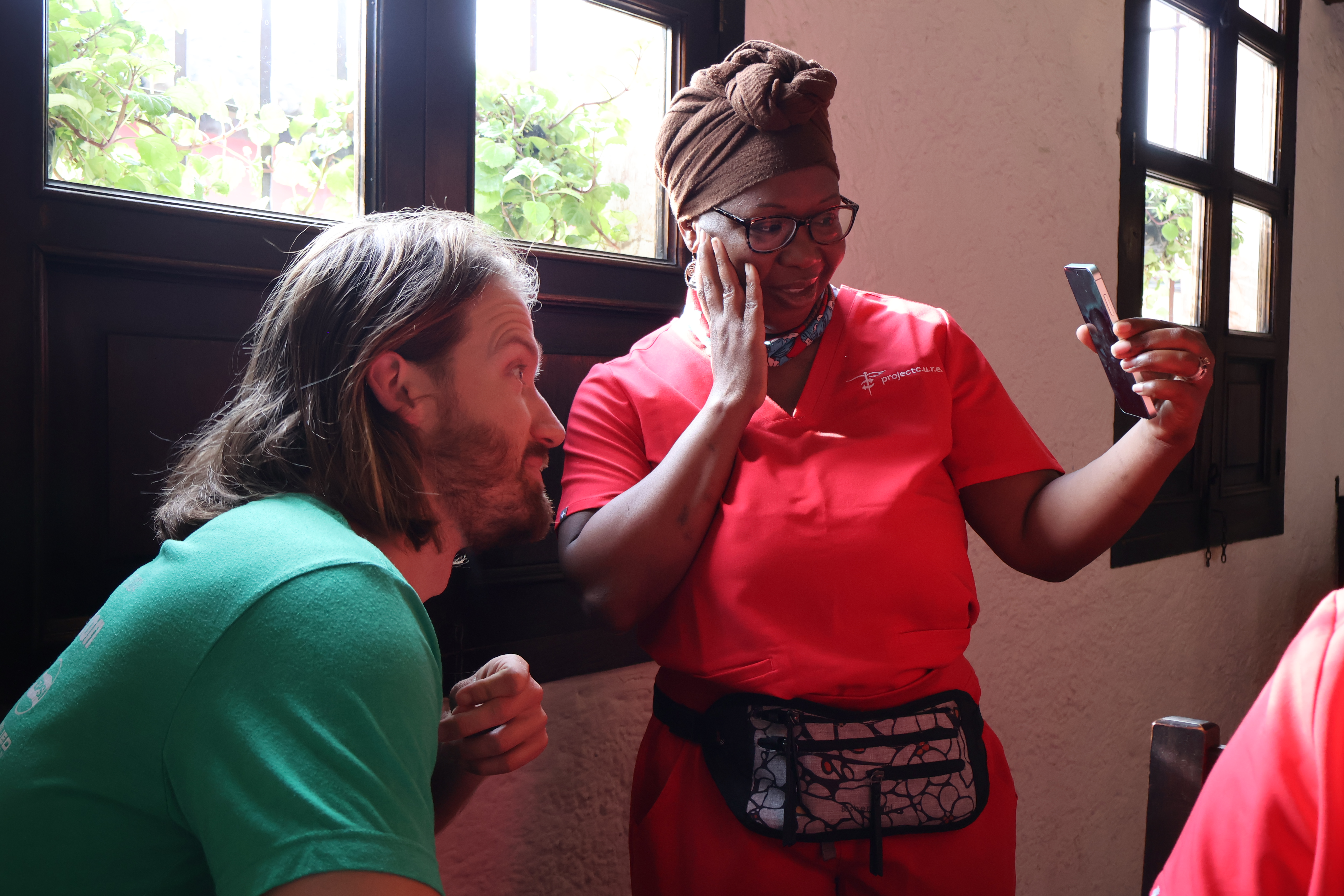
Montgomery video chatting with her kids before a day at the clinic.
I was seven months pregnant when COVID-19 first ravaged the U.S. I felt the urge to help, but couldn’t. When the Israeli-Gaza conflict escalated, I was flooded with requests to provide medical relief.
When I was an active duty soldier and not yet a mother, I was terrified of being sent into a combat zone. Now with two young children, a career I enjoy, and a life I deeply treasure, I hadn't the slightest hesitation about going to a combat zone unarmed.
My husband and loved ones rightly opposed me. But the desire to go never died.
This short-term mission to Guatemala posed minimal safety risks by comparison. It wasn’t a sacrifice—it was a calling.
There were, of course, uncomfortable moments—like navigating without a translator, enduring long traffic delays, and learning the hard way to always carry toilet paper.
Yet so much of Guatemala reminded me of Jamaica: The narrow, cobblestone streets and hacienda-style architecture were reminiscent of "Spanish Town." The high concrete fences adorned with curled barbed wire mirrored the concrete jungle of downtown Kingston. The men pushing carts filled with frozen desserts and the women selling produce in the markets could have been my Aunt Lou or Uncle Eric.
I may not have known all the Spanish I needed, but I recognized the language of struggle, need, and hardship.
One of my colleagues wondered aloud if our presence in such places makes things better or worse for those who live there. I suppose I could never answer accurately on behalf of other people. But on behalf of myself and the wide-eyed, malnourished little girl I used to be, I can say that the small kindnesses that were shown to me in no way made my hard life any harder.
Rescue workers stopped to take a shell-shocked five-year-old and her elderly grandparents into their boat after a hurricane. I was one of the thousands who were saved that day. But thousands more have been helped, transformed, and healed precisely because this little girl was given the chance to survive and then thrive.
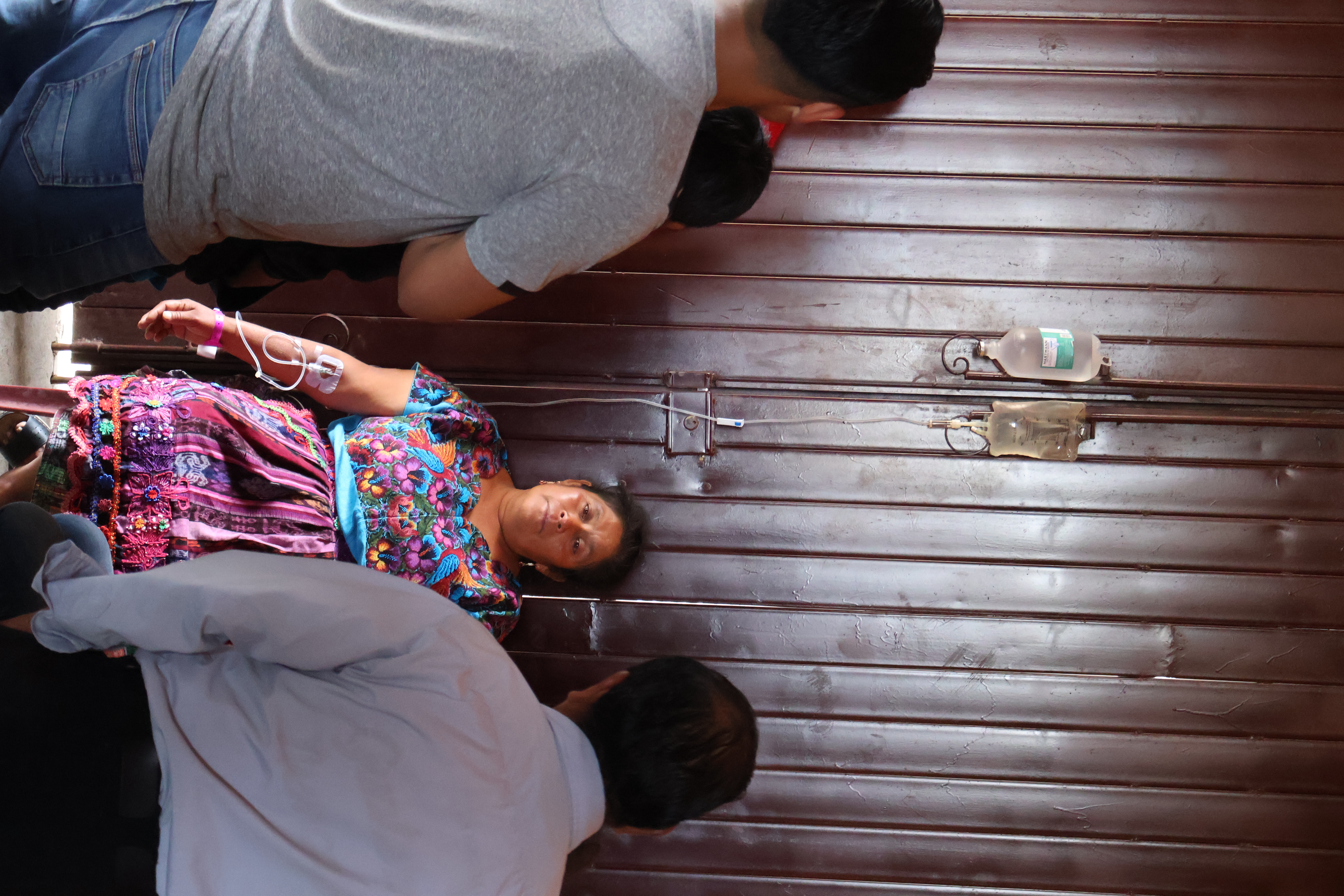
She needed emergency care, but her husband and father-in-law refused to let her go to the hospital. The cultural, gender-based, and financial barriers were insurmountable that day. But she left our clinic with IV fluids, insulin, and a blood sugar level that, while still dangerously high, was at least measurable. She lived to see another day and perhaps more, simply because we showed up and did our best.
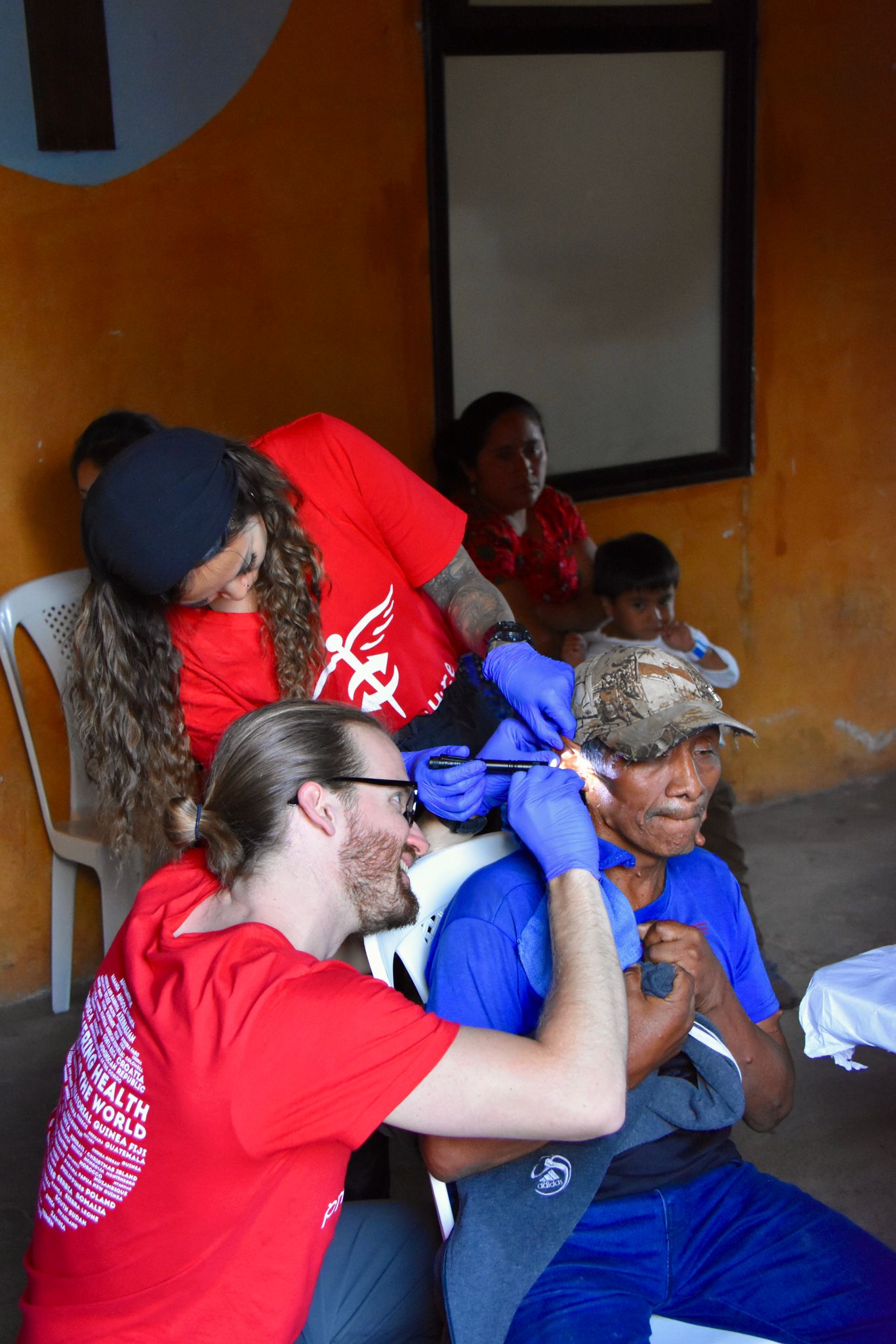
We used local anesthetic and patiently removed large chunks of cement, along with bits of hair and skin. The relief on his face—and the gratitude in his wife’s eyes—was unforgettable.
We listened. We connected him with a local nurse who runs a nutrition and visitation program for the elderly. He didn’t leave with a prescription, but he left seen.
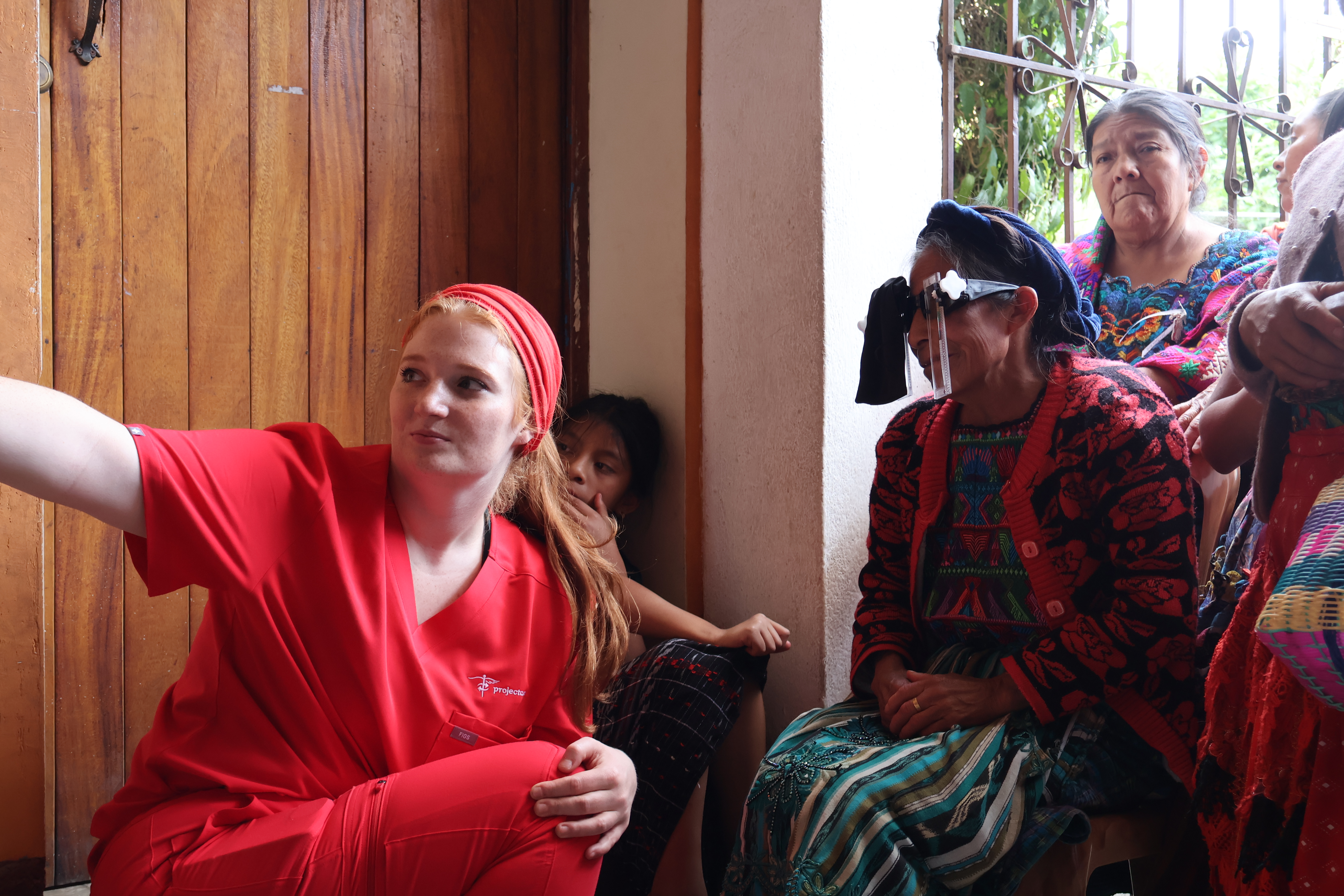
After eye exams and same-day glasses, they returned to work with renewed clarity—literally.
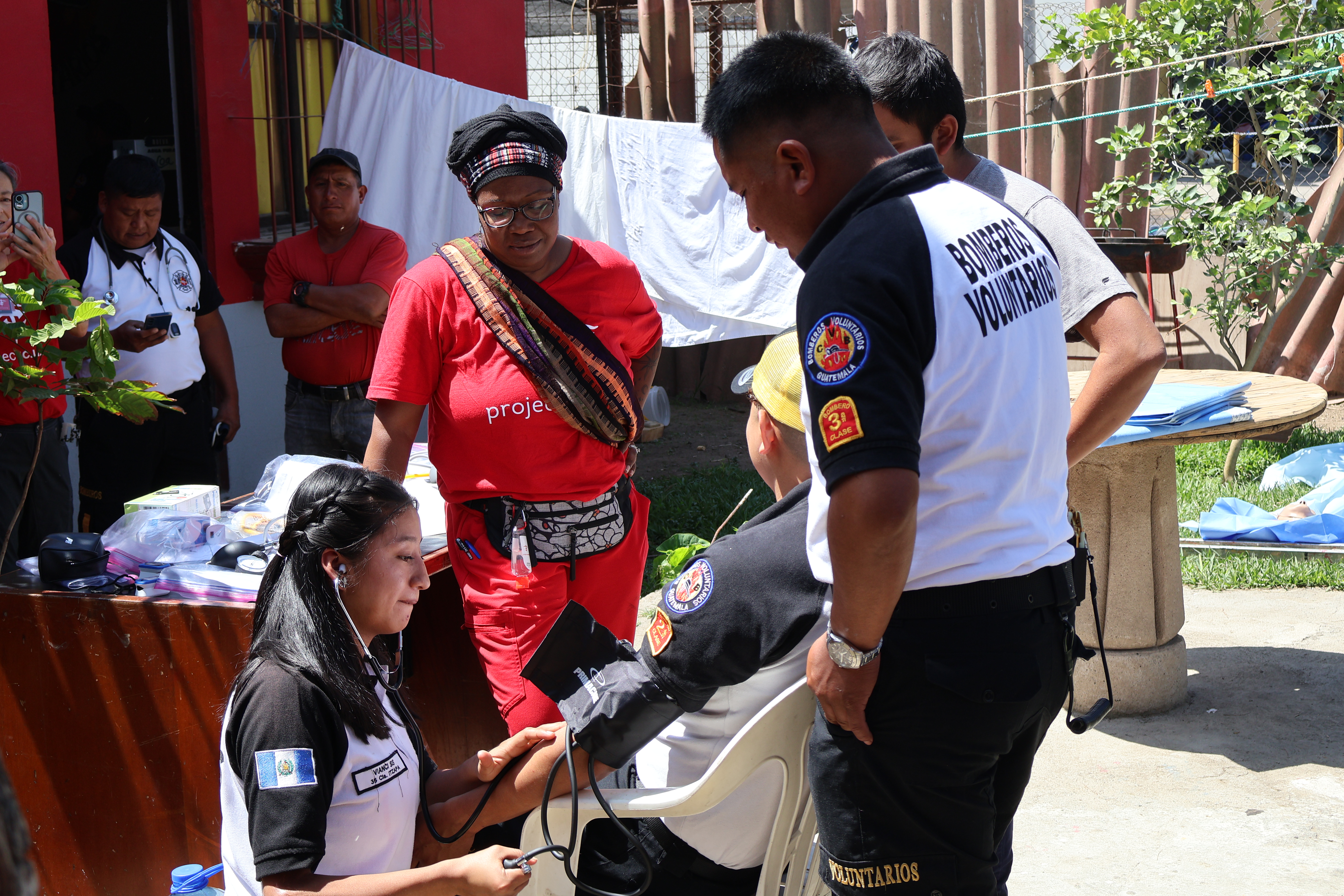
They trained all day, practicing CPR and trauma scenarios on mannequins. We left them with supplies and equipment. They left us with hope that Guatemala’s future is bright because they care so deeply, work so tirelessly, and are eager to learn.
These stories aren’t over. I may never know how they end. But for a moment, our paths crossed. And we did what we could.
As my own life story continues to unfold, I hope it’s defined by this truth: She heard the call to missions, and she answered.
Learn more about our C.U.R.E. Clinic program!

